— Our Mission —

— Our Mission —

"No patient with peripheral T-cell lymphoma is left behind."

"No patient with peripheral T-cell lymphoma is left behind."

— Dr. Salvia Jain, Founder of PETAL Consortium —

— Dr. Salvia Jain, Founder of PETAL Consortium —

What is Peripheral T-cell Lymphoma?

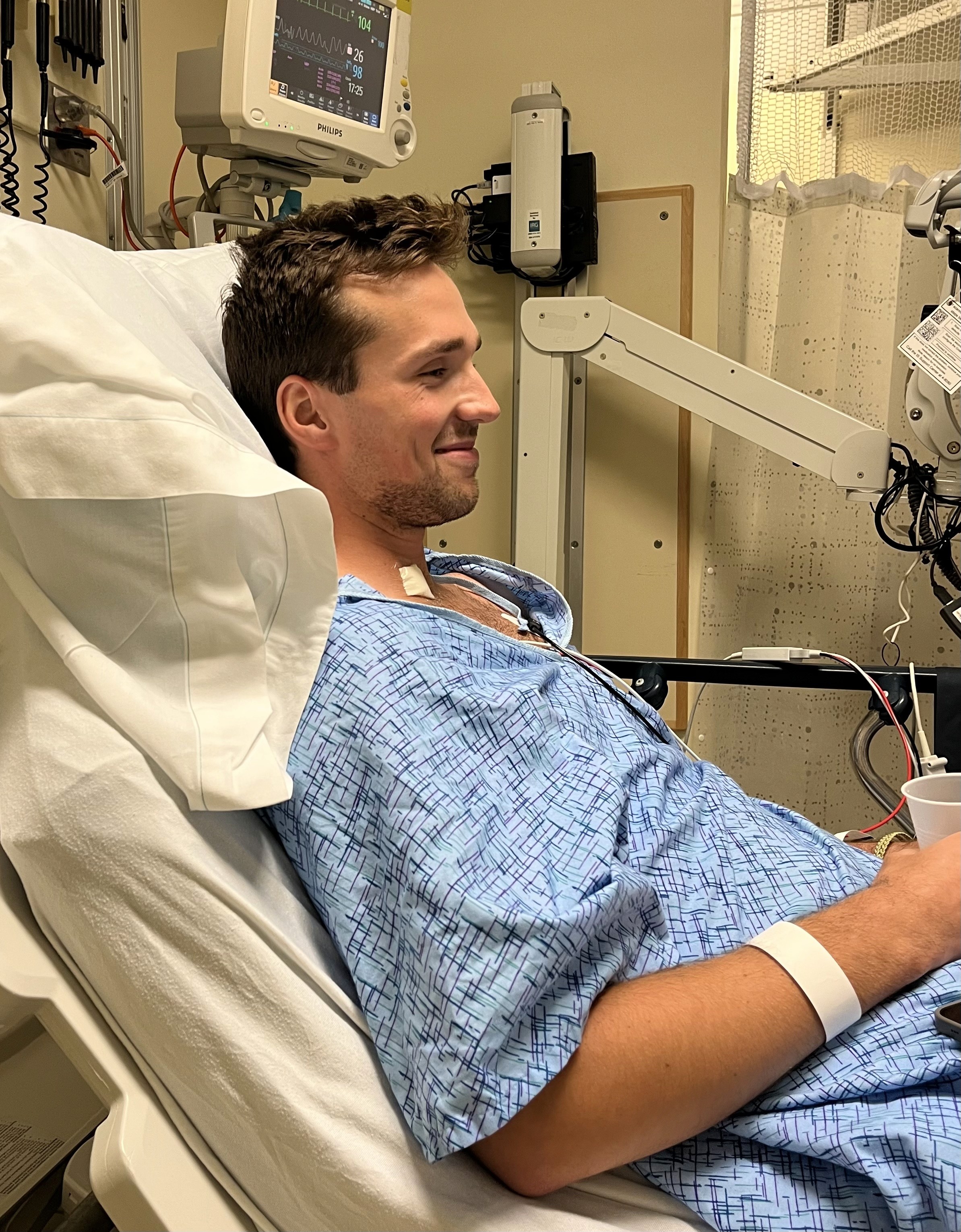
Peripheral T-cell lymphoma (PTCL) is a rare and aggressive blood cancer, with about 7,000 new cases diagnosed in the US annually. Lymphoma is cancer of the lymphocytes, a type of white blood cell within the immune system. Peripheral T cells are a type of lymphocyte that destroy tumor cells and are found in the body's blood, lymph nodes, spleen, and other organs. Basically, PTCL is cancer of the cancer-fighting cells in the body. 
What is PETAL Consortium?

In 2023, Salvia Jain, MD, a hematologist-oncologist at Massachusetts General Hospital, recognized the lack of systematic, multimodal longitudinal data for patients with PTCL. In response, she founded PETAL Consortium—a first-of-its-kind global network dedicated to advancing care for this rare and aggressive blood cancer by serving as a central hub of information.

PTCL’s rarity has significantly impeded research efforts and clinical trial development in a reasonable timeframe. PETAL overcomes this challenge by uniting leading centers of excellence in PTCL clinical care and research worldwide, enabling investigators to generate, collate, and access data from hundreds of patients.

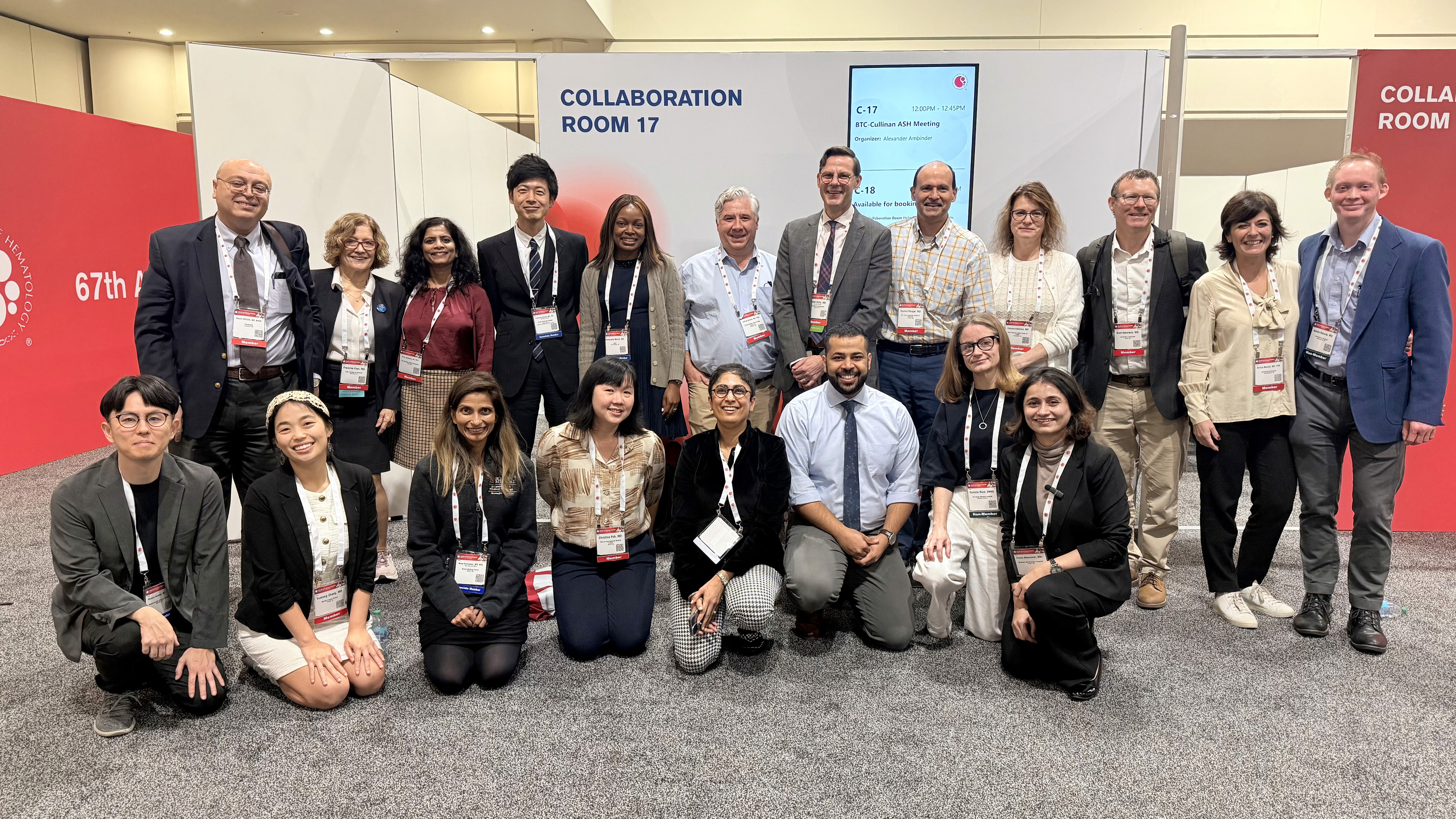
Today, PETAL brings together more than 100 investigators from over 20 international research sites–spanning lymphoma medicine, artificial intelligence, systems biology, pathology, genomics, biostatistics, and bioinformatics–to accelerate discovery and transform how PTCL is understood and treated.


In 2023, Salvia Jain, MD, a hematologist-oncologist at Massachusetts General Hospital, recognized the lack of systematic, multimodal longitudinal data for patients with peripheral T-cell lymphoma (PTCL). In response, she founded PETAL Consortium—a first-of-its-kind global network dedicated to advancing care for this rare and aggressive blood cancer by serving as a central hub of information.
PTCL’s rarity has significantly impeded research efforts and clinical trial development in a reasonable timeframe. PETAL overcomes this challenge by uniting leading centers of excellence in PTCL clinical care and research worldwide, enabling investigators to generate, collate, and access data from hundreds of patients.
Today, PETAL brings together more than 100 investigators from over 20 international research sites–spanning lymphoma medicine, artificial intelligence, systems biology, pathology, genomics, biostatistics, and bioinformatics–to accelerate discovery and transform how PTCL is understood and treated.

750+

Patients represented in PETAL research datasets

10+

Clinicians and investigators working across institutions

1+

Leading cancer centers participating in PETAL Consortium

Leading cancer centers participating in PETAL Consortium

1+

Rare T-cell lymphoma subtypes studied across global cohorts

1+

Multidisciplinary specialties including oncology, pathology, genomics, and AI

1+

Peer-reviewed research publications in high-impact factor journals within 2 years generated through PETAL collaborations

Research

Our mission is to create a centralized hub that integrates clinical, pathologic, treatment, radiologic, and molecular data into a comprehensive, multimodal dataset–enabling more precise, personalized treatment recommendations for patients.

Discovery & Innovation

We use cutting edge artificial intelligence and next generation sequencing technologies to identify new targets for drug development in collaboration with biotechnology and pharmaceutical partners.

Clinical Trials

PTCL’s heterogeneity, complexity and rarity has hindered development of clinical trials and accrual. PETAL addresses this barrier by providing a global clinical trial framework, adapting novel trial designs and modernizing protocols.

Patient Care & Support

HOPE-PTCL (Hub for Outreach and Patient Engagement in Peripheral T-cell Lymphoma) is PETAL’s patient education website, dedicated to empowering and connecting individuals and families affected by PTCL through knowledge, compassion, and community.
Newsroom

Newsroom

January 2026

Abstracts of High Interest Highlighted by PETAL Investigators from the American Society of Hematology’s 2025 Annual Meeting

Click below to explore summaries of five different abstracts highlighting advances in T-cell lymphoma research presented at ASH 2025.

January 2026

Abstracts of High Interest Highlighted by PETAL Investigators from the American Society of Hematology’s 2025 Annual Meeting

Click below to explore summaries of five different abstracts highlighting advances in T-cell lymphoma research presented at ASH 2025.

December 2025

PETAL Consortium: 2025 – A Year in Review

As we wrap up 2025, let’s look back at PETAL Consortium’s biggest achievements this year! In this newsletter, we cover PETAL's events, features, publications, and patient stories.

December 2025

PETAL Consortium: 2025 – A Year in Review

As we wrap up 2025, let’s look back at PETAL Consortium’s biggest achievements this year! In this newsletter, we cover PETAL's events, features, publications, and patient stories.

December 2025

PETAL featured in Mass General Brigham’s blog

In this piece, learn about PETAL Consortium and our four manuscripts!

December 2025

PETAL featured in Mass General Brigham’s blog

In this piece, learn about PETAL Consortium and our four manuscripts!

December 2025

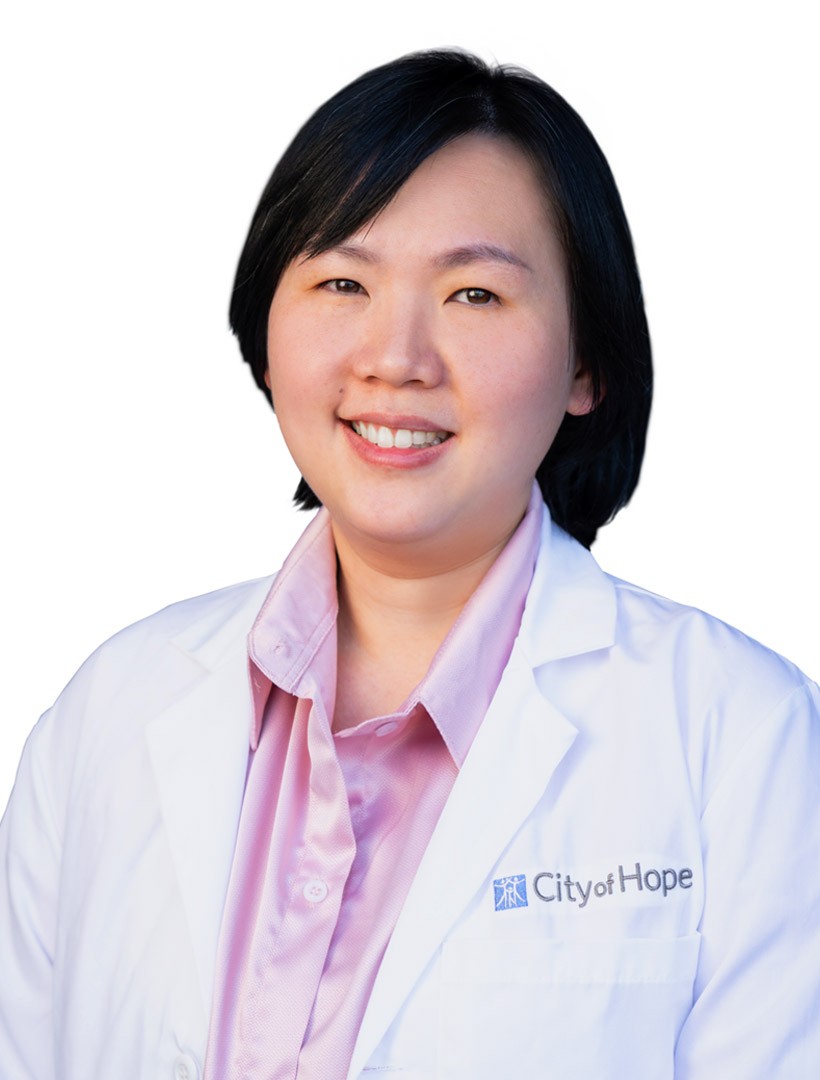
Congratulations to Dr. Christina Poh, Founder of HOPE-PTCL and PETAL Consortium Principal Investigator at City of Hope

This award will support Dr. Poh’s project, Advancing First-Line Therapy for Nodal T-Follicular Helper Cell Lymphoma, over the next three years. Dr. Poh is grateful for the LRF’s commitment to eradicating lymphoma and serving those touched by this disease.

December 2025

Congratulations to Dr. Christina Poh, Founder of HOPE-PTCL and PETAL Consortium Principal Investigator at City of Hope

This award will support Dr. Poh’s project, Advancing First-Line Therapy for Nodal T-Follicular Helper Cell Lymphoma, over the next three years. Dr. Poh is grateful for the LRF’s commitment to eradicating lymphoma and serving those touched by this disease.

CONTACT US

If you have any questions, please email us at mghpetalstudy@mgb.org!